Skip to content

Beyond “-ing”: How to Use “正在” and “Verb + 着” Correctly in Chinese.

In the previous lesson, we mentioned that “正在 + Verb” is used to describe an ongoing, dynamic activity,

粤语背景学普通话:攻克 Z C S 和 J Q X 发音难关 (1)

针对粤语人士的专项普通话发音指南。 详解舌位差异,融入真实生活与工作场景,通过强化辨音训练,帮你彻底突破这组最易混淆的声母。   发音小课堂:先搞清楚舌头的位置 在开始练习前,请记住这个核心秘诀: · z c s (平舌音): 舌头要放平,舌尖轻轻抵住或靠近下门牙背。像说粤语“渣”、“叉”、“沙”的起始部分,但舌头要更靠前、更平。· j q x (舌面音): 舌头要拱起来,舌面前部抵住或靠近硬腭前部(就是上牙堂凸起来的地方)。这是一个粤语里没有的发音部位,需要刻意练习。可以想象在发英文字母“G”的起始动作,但嘴巴是向左右咧开的。 常见混淆点:粤语背景的人常常用“z c

What is the Difference Between Chinese and Mandarin?

Why Mandarin is the Standard Chinese?  Confused about Mandarin vs Chinese? We clear it up simply. Learn the

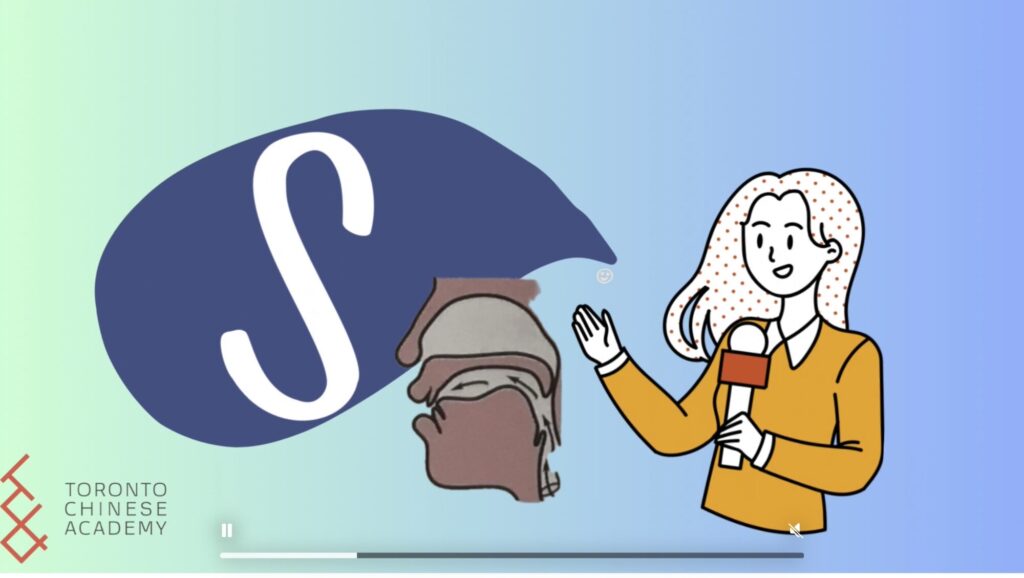
普通话练习- “s” 与 “x” 辨音特训

Mandarin Pronunciation for Cantonese Speakers - Toronto Chinese Academy

普通话发音练习- j q x g k h

Mandarin Chinese for Cantonese Speakers-Toronto Chinese Academy

草莓 vs 葡萄: Mandarin and Cantonese Vocabulary Comparison

Learn how to say strawberries (草莓) and grapes (葡萄) in Mandarin and Cantonese, with pronunciation, usage, and examples.